
Agricultural Non-Woven Fabric, by Crop and Climate
The same non-woven fabric is specified very differently along an orchard row and over plants in winter. This page sets out the selection logic, our manufacturing range and the ordering terms in one place, so you can send an enquiry against your own plot.
Agricultural Product Lines: Four Ready-to-Order Solutions
Each has stock specifications plus a customisable range. Combine them to match your crop and row spacing and ship them in one order.
Weed Control Fabric
Laid along orchard, vineyard and tea rows to suppress weeds by blocking light, without herbicide. Water- and air-permeable so soil stays friable. Commonly 70-120gsm, width to 3.2 m.
View weed fabric specs →Plant Protection Cover
Lightweight fleece draped straight over crops to stop frost, wind, insects and birds. Soft enough to sit on young growth without crushing it; 20-30gsm suits light frost.
View plant cover specs →Nursery Bags
Breathable nursery bags and containers: roots stop at the air-exposed wall instead of circling the pot, so seedlings transplant with less shock and a higher survival rate.
View nursery bag specs →Anti-Frost Blanket & Ground Cover
40-60gsm blankets for seedlings and ornamentals in hard-frost areas; 80-100gsm wide rolls for greenhouse floors, work aisles and bed bases — weed-free, mud-free, easy to hose down.
View blanket specs →Selection Guide: Match GSM to Crop and Climate
Getting GSM wrong is the most common waste in agricultural non-woven: too light and it tears within the season, too heavy and you overpay for fabric you did not need. The ranges below come from our export orders.
| Application | Recommended GSM | Product | Outdoor Life |
|---|---|---|---|
| Orchard, vineyard & tea weed control | 90 - 120 gsm | Weed control fabric | 3 - 5 years |
| Home garden and potted areas | 70 - 80 gsm | Weed control fabric | 2 - 3 years |
| Light frost (around -2°C) | 20 - 30 gsm | Plant protection cover | 1 - 2 seasons |
| Hard frost (below -6°C) | 40 - 60 gsm | Anti-frost blanket | 2 - 3 seasons |
| Seedling & transplanting | 30 - 60 gsm | Nursery bags | 1 season |
| Greenhouse floor & walkway | 80 - 100 gsm | Ground cover roll | 3 years + |
| Crop row insect barrier | 17 - 30 gsm | Protection fleece | 1 season |
Non-Woven or Plastic Mulch?
Plastic mulch costs less per roll but usually lasts a single season. The labour of pulling it up, cleaning it and getting rid of it often costs more than the film itself.
| Item | Non-Woven | Plastic Mulch |
|---|---|---|
| Water & air permeability | Permeable; soil stays friable for years | Fully sealed; separate drip irrigation needed |
| Weed suppression | Effective from 90gsm up | Effective |
| Service life | 3 - 5 years with UV stabiliser | One season; embrittles |
| Summer soil temperature | Moderate rise, little root burn | Sharp rise; needs shading or slits |
| Disposal | PP is recyclable; GRS recycled grades available | Contaminated with soil; usually burned or landfilled |
| Installation | Cut, overlap and pin by hand — no machine needed | Needs soil on the edges; machine laying is faster |
A Season-by-Season Match
From spring seedlings to winter frost, one matched order saves repeated sourcing and price comparison.
Spring · Nursery & insect barrier
Start with 30-60gsm nursery bags, then lay 17-30gsm lightweight fleece over the rows as an insect barrier to cut early pest and bird damage.
Summer · Weed control & moisture
Lay 90-120gsm weed fabric along the rows: it shades out weeds, lowers surface soil temperature and cuts evaporation — most noticeable in dry regions.
Autumn · Early frost & birds
20-30gsm fleece handles early frost and doubles as bird protection during ripening, so no netting is needed.
Winter · Overwintering plants
40-60gsm blankets over seedlings and perennials, doubled up in hard-frost areas. Bury the edges to stop wind lifting them.
Specifications We Can Make
Our Yangzhou plant runs 11 lines (7 PP and 4 PET) with 50,000 tons of annual capacity. Every batch is inspected before shipment; actual data follows the lab report shipped with each batch.
| Item | Specification |
|---|---|
| Material | PP spunbond / PET spunbond / GRS recycled rPET |
| GSM range | 15 - 200 gsm (17 - 120 gsm for agricultural grades) |
| Max width | 3.2 m, slit to any narrower row width |
| UV stabilisation | Optional outdoor-grade UV masterbatch, compounded into the fibre rather than coated on the surface |
| Colors | Black (best weed suppression) / green (neater, less heat) / white / Pantone custom |
| Roll length & packing | Made to order; retail-size rolls and full-container pallet export supported |
| Certification | GRS / ISO 9001 / BSCI |
| MOQ | 0.5 ton for stock, 1 ton for custom colors |
Sourcing FAQ
Quick answers on specification, sampling, width customization and export documents.
Plastic mulch costs less per roll and controls weeds reliably, but it usually lasts only one season — and the labour of removing and disposing of it often exceeds the film's own price. Non-woven costs more upfront yet lasts 3-5 years with UV stabiliser, stays permeable so no separate drip line is needed, and can be recycled. For perennial orchards, display gardens and long-term installations the total cost of non-woven is lower; for single-season vegetable rotations plastic still has an edge.
As a rule of thumb: 70-80gsm for home gardens and potted areas; 90-100gsm for orchards and nurseries where durability and cost balance best; 120gsm and above for long-term installations with foot traffic or machinery. Frost protection works the other way — lighter fabric drapes better over plants, so 20-30gsm is the common choice for light frost.
With UV stabilisation, 90-100gsm typically lasts 3-5 years in normal sunlight and 120gsm and above can exceed 5 years. Service life depends heavily on UV intensity, whether the fabric is covered with soil and how often machinery passes over it — topping it with mulch or burying it extends life considerably.
No. Non-woven is a porous fibre web, so rain and air penetrate the soil — no ponding and no suffocated roots. That is its key advantage over plastic mulch. Drip irrigation and watering still reach the root zone; on slopes, lay it with the fall so water drains.
Yes. Widths go up to 3.2 m and can be slit to any narrower row or bed width, with roll length made to order — so there is less on-site splicing, which cuts both labour and waste. For batch orders we confirm your laying method first and then recommend a width.
The UV masterbatch is compounded into the fibre during spinning rather than coated on afterwards, so it does not wear off with surface abrasion. We only need two things from you — the region of use (UV intensity) and whether the fabric will be covered with soil — and we will recommend the GSM and UV grade accordingly.
Standard stock starts from 0.5 ton, custom colors from 1 ton; special widths and GSM are negotiable. Free A4 swatches confirm hand feel and colour, custom samples take 5-7 days, and standard batch lead time is 10-15 days.
We export to 30+ countries on FOB/CIF/DDP terms and can arrange sea freight, air freight and customs clearance, supplying test reports to suit your destination market. Tell us the destination country and end use in your enquiry and we will confirm the required documents in advance.
Related Products
Same factory, combination orders and matching customization supported.
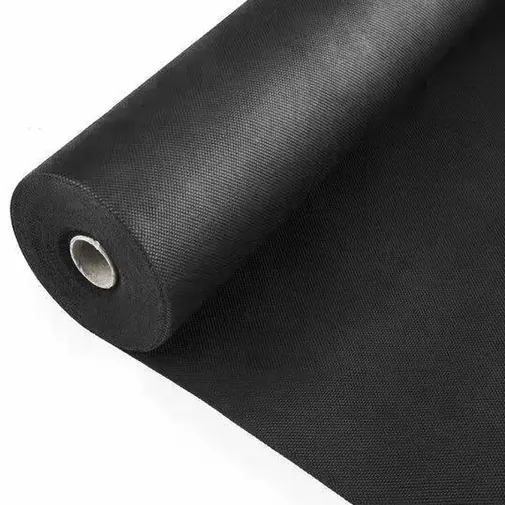
Non Woven Weed Control Fabric
UV-stabilised heavy-duty weed fabric, 60-200gsm, for orchard and landscape rows.
View Details →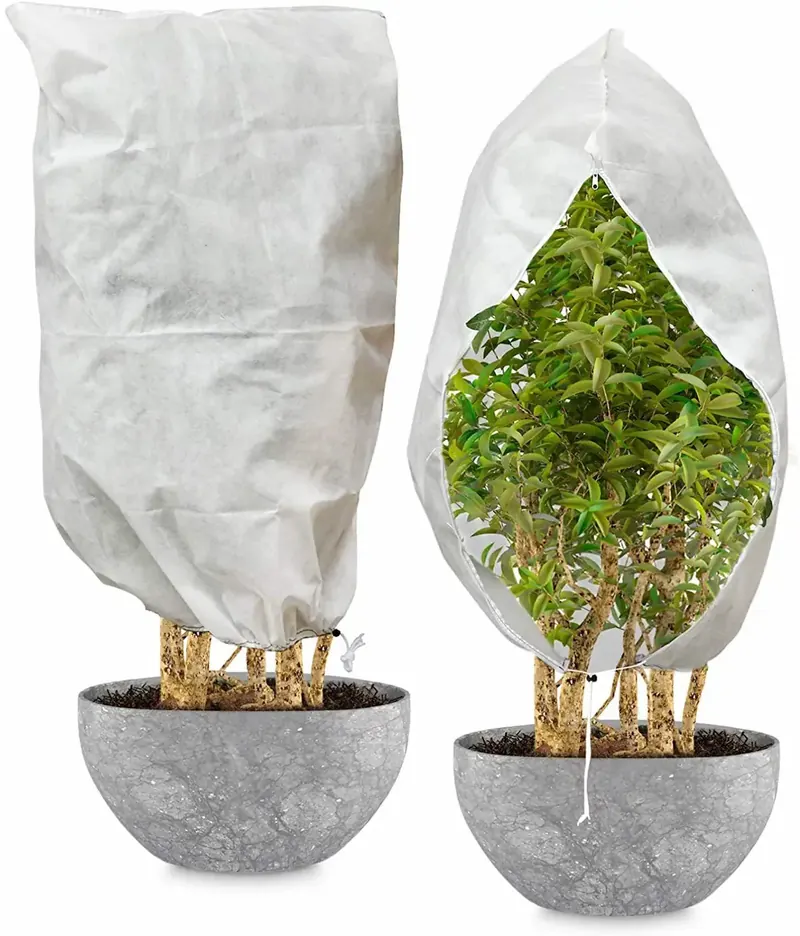
Plant Protection Cover
Lightweight non-woven plant cover against frost, wind, insects and birds.
View Details →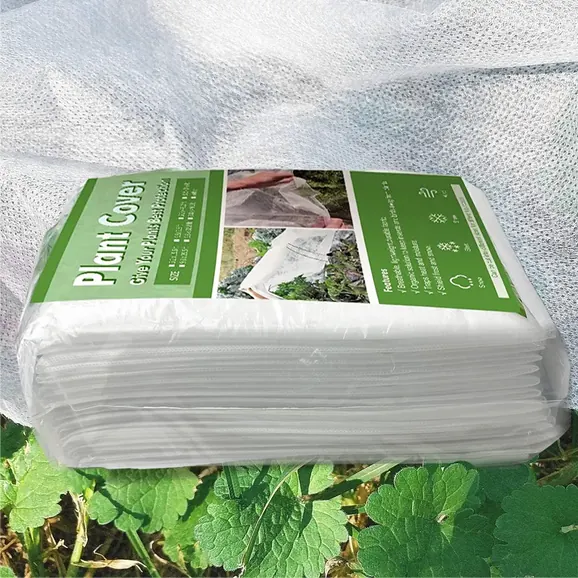
Anti-frost Plant Blanket
Large non-woven blanket for overwintering seedlings, flowers and fruit trees.
View Details →Related Reading
Guides and buying tips from our factory floor
Send Us Your Plot Details and We Will Recommend a Specification
Tell us your crop, region, row spacing and volume — we reply within 24 hours with recommended GSM, width and price.